Resources
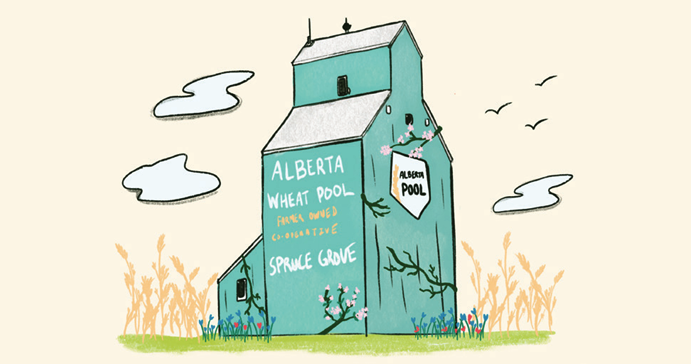
Alberta 2S/LGBTQ+ Connection: A Zine by and for Rural Folks
Rural life can make connection more difficult, and rural 2S/LGBTQIA+ folks are more vulnerable to isolation if they cannot form connections with their surrounding community. This can worsen other aspects of mental health and overall well-being.
Gender Dysphoria
Gender dysphoria refers to the distress or discomfort associated with one’s gender not aligning with their sex assigned at birth. This conflict can affect people in different ways, potentially influencing behavior, dress and self-image.
Mood Disorders
2S/LGBTQIA+ individuals are at a greater risk for experiencing mood disorders, and contributing factors include societal and institutional prejudice and discrimination leading to personal shame and guilt about their identity and behaviours. Institutional discrimination resulting in mental health disparities include barriers to health care and health insurance and lack of power to make medical and legal decisions on behalf of their partners. 2S/LGBTQIA+ individuals report higher unmet mental health care needs.
Suicidality
Suicide is a very real topic for the queer and trans community, as 2S/LGBTQIA+ people are seven times more likely to attempt suicide and over half of 2S/LGBTQIA+ students in the K-12 study reported having had suicidal thoughts. Suicide attempts are associated with depression, low self-esteem, history of forced sex, drug and alcohol treatment and gender-based discrimination. Social isolation may make individuals more vulnerable due to the strong association between homophobic victimization and mental health.
Intimate Partner Violence
In our society, intimate partner violence (IPV) is often only presented in cisgender, heterosexual relationships. The reality is that intimate partner violence doesn’t discriminate. Same-gender relationships and other relationships within the 2S/LGBTQIA+ community may be impacted by intimate partner violence, regardless of sexual preference, race, or gender identity.