Get Information
Your health matters. On this page, you'll find a wide range of resources covering sexual, mental, physical, and social health, as well as harm reduction and specific support for trans and non-binary health.
Sexual Health Resources
It can be hard to find accurate, up-to-date, and culturally sensitive sexual health information for queer and trans folks. All of the information you read here has been developed by local queer and trans folks, many of whom have significant experience in the area of sexual health, either as healthcare providers or community health workers.
PrEP (Pre-Exposure Prophylaxis) is an HIV medication used by someone who is HIV negative in advance of possible exposure to HIV to prevent transmission. Whether your partner(s) is HIV positive or you otherwise feel the need to proactively manage your exposure risk, PrEP can be an effective preventative measure to protect you and your health.
HIV and sexually transmitted infections (STIs) can have a variety of impacts on a person’s health and wellbeing. Some of these impacts may be minor or unnoticeable, and others may be serious, potentially resulting in severe illness.
HIV and STI prevention is for all bodies.There are many modern options to keep you and your partners healthy before, during and after sex.
It can be hard to keep track of everything there is to know about HIV and STIs. Between different symptoms, different treatments, and different prevention methods, it’s easy to get confused. One simple way to feel more empowered is to focus on things that are within your control.
Mental Health Resources
Minority populations, like queer and trans folk, have been shown to experience negative mental health outcomes at significantly higher rates than the general population. In this section, we cover a range of mental health topics which are of particular relevance to the queer and trans community.
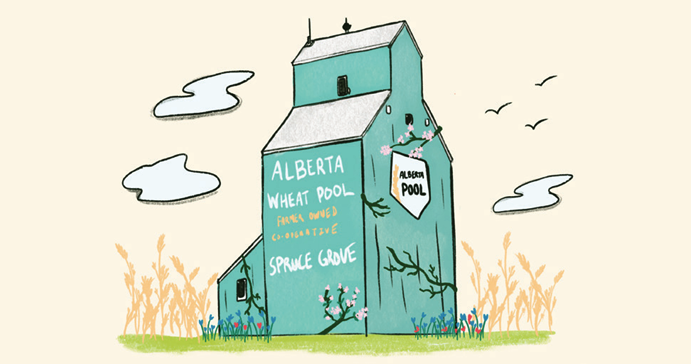
Rural life can make connection more difficult, and rural 2S/LGBTQIA+ folks are more vulnerable to isolation if they cannot form connections with their surrounding community. This can worsen other aspects of mental health and overall well-being.
Gender dysphoria refers to the distress or discomfort associated with one’s gender not aligning with their sex assigned at birth. This conflict can affect people in different ways, potentially influencing behavior, dress and self-image.
2S/LGBTQIA+ individuals are at a greater risk for experiencing mood disorders, and contributing factors include societal and institutional prejudice and discrimination leading to personal shame and guilt about their identity and behaviours. Institutional discrimination resulting in mental health disparities include barriers to health care and health insurance and lack of power to make medical and legal decisions on behalf of their partners. 2S/LGBTQIA+ individuals report higher unmet mental health care needs.
Suicide is a very real topic for the queer and trans community, as 2S/LGBTQIA+ people are seven times more likely to attempt suicide and over half of 2S/LGBTQIA+ students in the K-12 study reported having had suicidal thoughts. Suicide attempts are associated with depression, low self-esteem, history of forced sex, drug and alcohol treatment and gender-based discrimination. Social isolation may make individuals more vulnerable due to the strong association between homophobic victimization and mental health.
In our society, intimate partner violence (IPV) is often only presented in cisgender, heterosexual relationships. The reality is that intimate partner violence doesn’t discriminate. Same-gender relationships and other relationships within the 2S/LGBTQIA+ community may be impacted by intimate partner violence, regardless of sexual preference, race, or gender identity.
Physical Health Resources
You only get one body. So, it’s really important that you take care of it. In our physical health section, we cover a range of topics related to the health of your physical body.

The viral infection known as mpox is here in Alberta and is spreading amongst members of our community. While investigations are still ongoing, most, but not all, global cases identified to date have been among men who report sex with other men and have multiple partners.
While all people have important nutritional needs, trans folks have unique health experiences which can result in different needs. Throughout this section, we provide a brief overview of some unique nutritional needs trans people might have.
Cancer can affect anyone, regardless of their sexual orientation or gender identity. As you age, it’s important to consider your screening needs. Early detection of cancer can increase your treatment options while also improving your health outcomes.
2S/LGBTQIA+ individuals face barriers to accessing physical fitness opportunities and spaces that their heterosexual and cisgender counterparts do not. This is especially the case for trans, non-binary, and gender nonconforming community members and 2S/LGBTQIA+ individuals with physical disabilities.
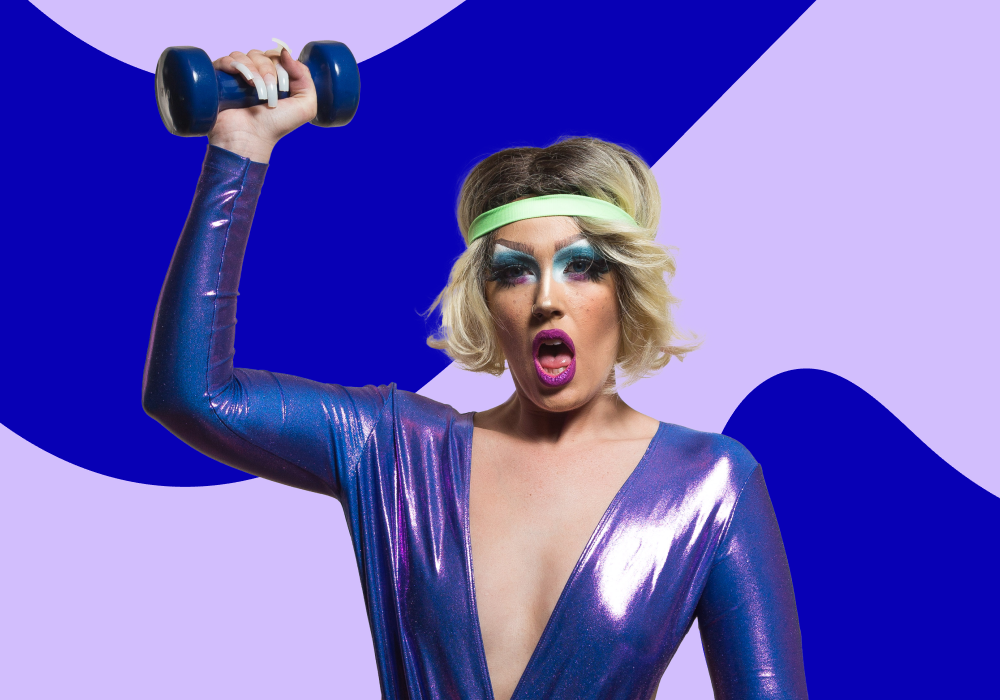
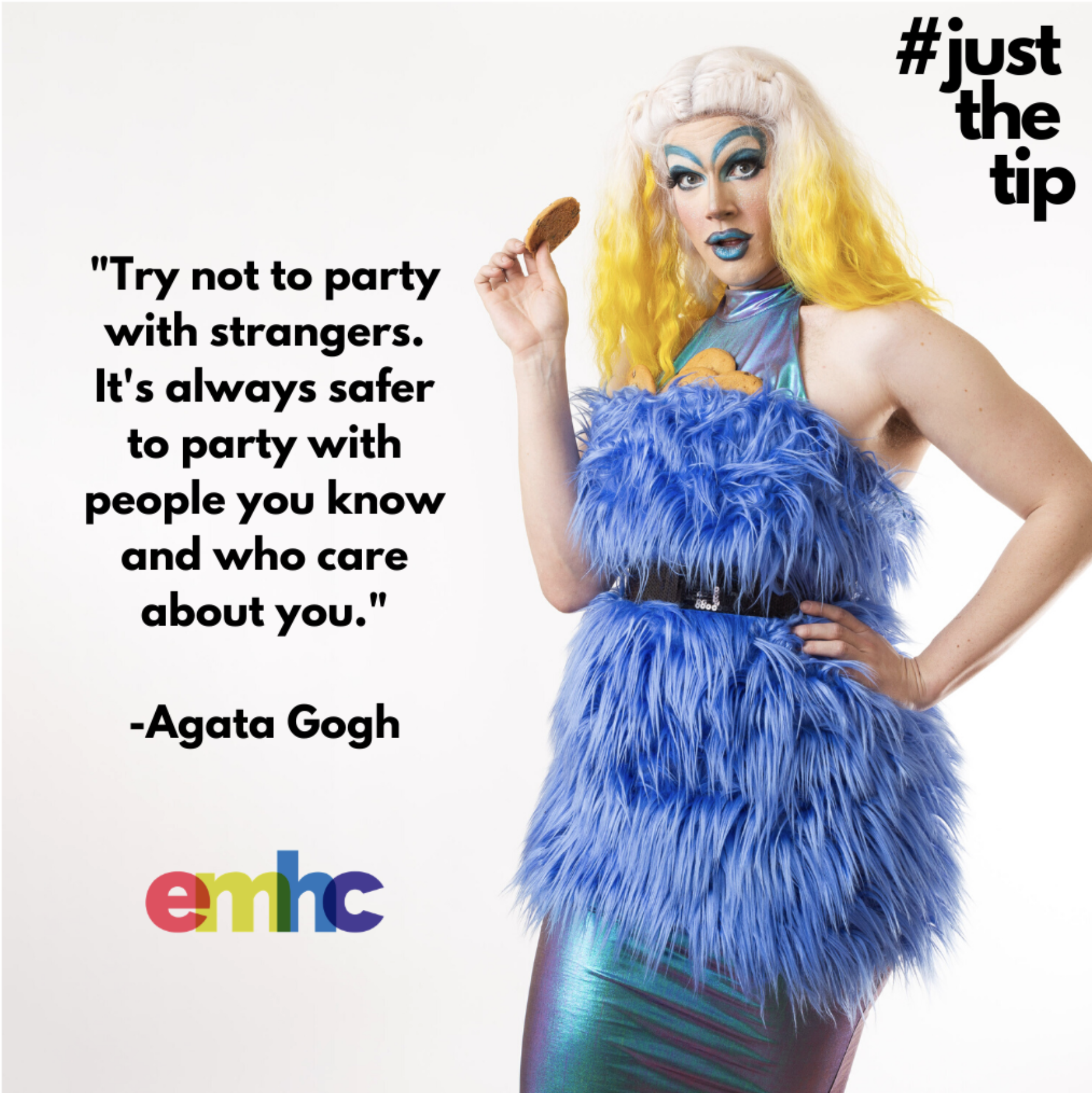
Don’t be a drag. Just be a (Harm Reduction) Queen.
Local Edmonton queens (and a king) share their harm reduction tips with the Peer N Peer program.
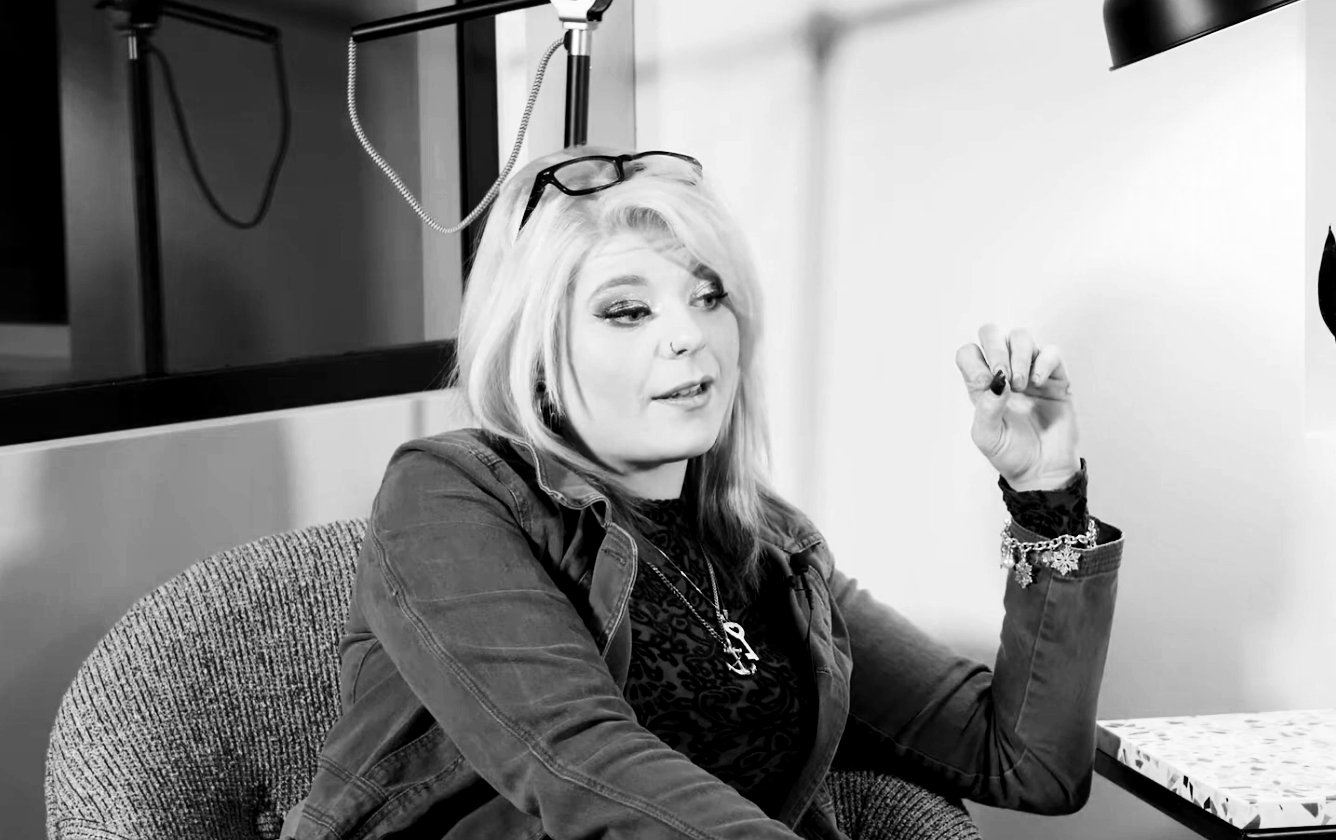
Conversations about harm reduction are important for queer and trans communities. In this video, several brave queer and trans community members share their experiences with harm reduction and QTHC's Peer N Peer program.
Smoking is a method of substance use that can be safer than other methods of use, such as injection, but it’s not without its own risks.
A common way people use drugs is through snorting. When you snort a drug, the drug enters the bloodstream through the blood vessels which line the inside of the nose. This generally results in a quicker high than swallowing. While snorting may seem like a safer way to consume drugs, especially when compared to other ways like injecting, it’s not without risks.
Let’s face it — injecting substances can be a complex and dangerous activity. Reaching your desired high while also preventing potential harms can be a challenging balance.
Chemsex is a commonly used term to describe drug use immediately before or during sex. Also referred to as PNP or “Party and Play,” chemsex activities typically involve certain types of drugs such as GHB, crystal meth, and mephedrone.
Harm Reduction Resources
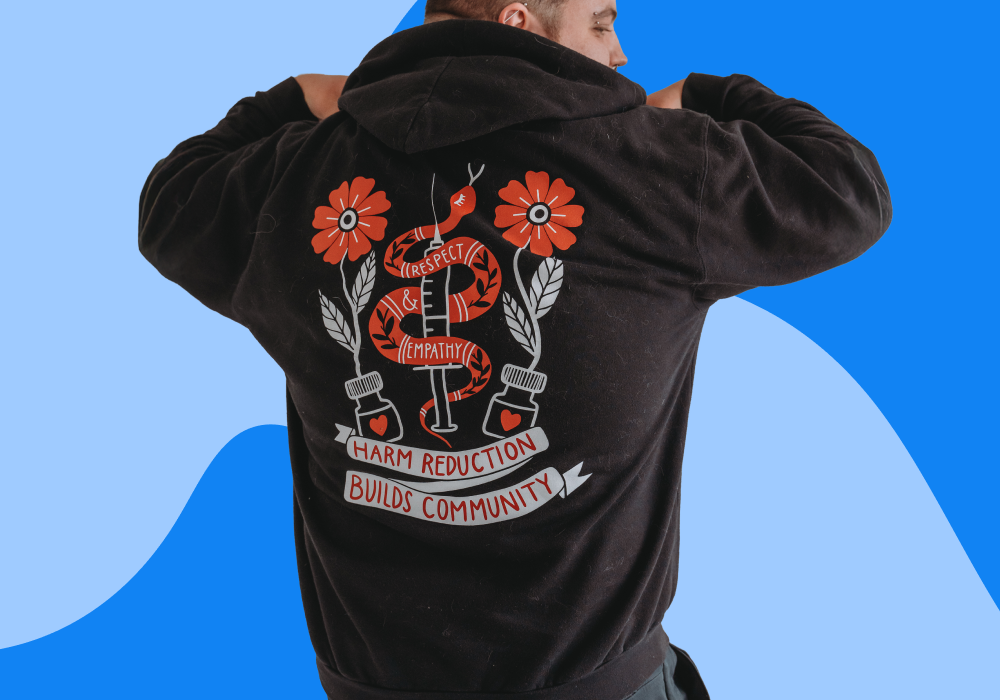
Substance use can impact queer and trans individuals in unique ways, often leading to increased vulnerability and specific challenges. In this section, we explore harm reduction strategies and resources tailored to substance use within the queer and trans community.
Trans and Nonbinary Health Resources
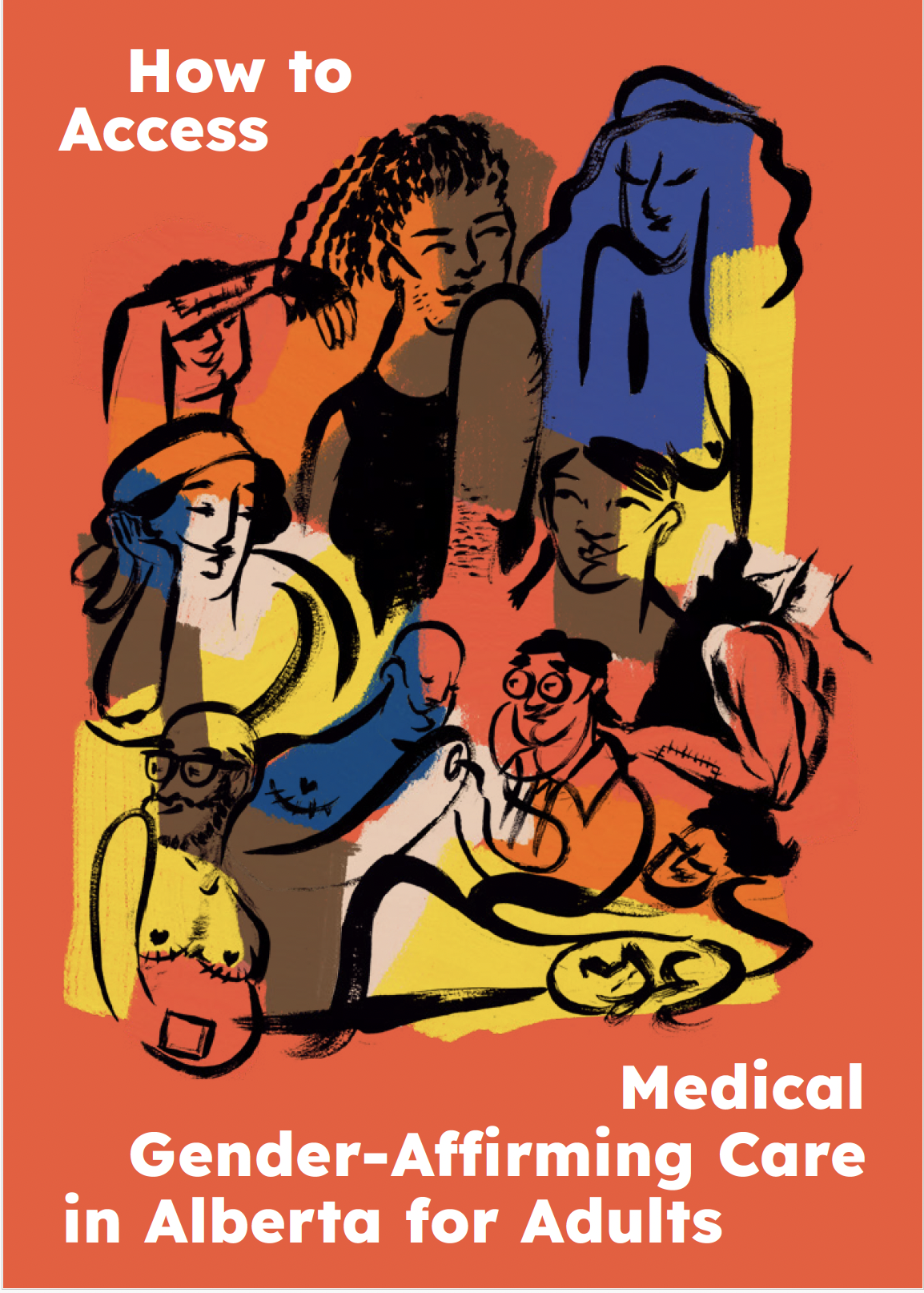
Transgender and non-binary individuals face unique challenges surrounding their health and well-being. We’ve partnered with the Trans Wellness Initiative to help make trans and non-binary health information more accessible from our page.

Social Health and Queer Identity Resources
Social health refers to someone’s health as it relates to how they get along with others, whether or not they have a support system, and whether or not society provides them with accessible opportunities to meet their basic needs and experience positive health and well-being. In this section, we cover a range of topics related to social health, with specific attention to how our identities as queer people shape our health.
Social relationships, such as friendships, are important to your health and quality of life. A great deal of evidence has demonstrated how the presence, absence, and quality of social relationships can affect a person’s health.
Many of the community members QTHC serves experience challenges accessing health information, resources, and services integral to their health and well-being because of institutional barriers. These barriers exclude marginalized folks and are created by systemic racism, xenophobia, ableism, settler-colonialism, cissexism, transphobia, heterosexism, and homophobia. This dynamic can seriously threaten the health and well-being of individuals and their communities.
For many of us, our ancestors settled these territories and occupied them alongside the Indigenous nations who have called this place home for millennia. Our ability to form communities on these lands is due in part to the goodwill of Indigenous peoples who were here first. However, the presence of Canada and the invitation of settlers disrupted many of their traditional practices and uprooted their sovereignty.